This three week course offers current chiropractic care attributes and also includes historical fundamental principles. Topics covered will add to the body of knowledge necessary to develop the thinking and personal qualities in today’s chiropractic care needs.
Syllabus:
Course Description: This three week course offers current chiropractic perspectives
facing the profession and includes historical
fundamental principles.
Week 1: Course introduction. What is Chiropractic Care?
Week 2: Chiropractic History: A look back at a historical perspective of
Chiropractic.
Week 3: Benefits of Chiropractic Care
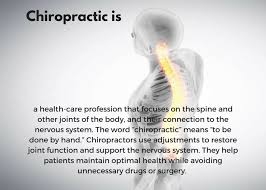
Week 1: What is Chiropractic Care? The term “chiropractic” means “to be done by hand.” Adjustments are used by chiropractors to improve joint function and strengthen the nervous system. We help patients, while avoiding unnecessary medications or surgery, maintain optimal health. Every year, nearly 50 million Americans see a chiropractor. A chiropractor is a primary care doctor specializing in health and well-being in the spinal cord. We focus on spine-related disorders and other painful joint problems prevention, treatment, and conservative care. Chiropractors also provide soft-tissue therapies, guidelines for health, wellness counseling, and nutritional advice in addition to changes. To have the best quality care, medical research, clinical experience and patient preferences. Ninety-five percent of past-year chiropractic users say it’s reliable, and 89 percent tell their family and friends about chiropractic. Chiropractic adjustment is a very safe, specific, controlled force used to restore proper function and mobility to the joint. Accidents, falls, stress or excessive stress can have a negative effect on your spine or other joints. These changes have an impact on tissues, the nervous system, and other body areas.
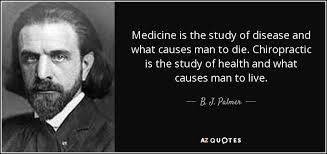
Week 2: Chiropractic History: Chiropractic as a practice began in 1895 when its founder, Daniel David Palmer, “modified” a deaf janitor’s spine and believed his hearing would be restored. Spinal manipulation in 1895 was not an experimental procedure, and Palmer never claimed to be the first to use manipulation for disease cure. Palmer founded the Chiropractic Palmer School, where he taught the first chiropractors his methods. These early years of the profession brought a lot of tension to this new approach between conventional allopathic medicine. Laws of chiropractic practice were not developed until later, although many chiropractors were defiantly opposed to the medical laws they viewed as a violation of their patient’s rights and obligations to represent. Until the 1960s, being jailed and fined for practicing without a license was not unusual for chiropractors.
The new professional partnership and mutual appreciation between chiropractic and mainstream medicine contrasts sharply with many years of disagreement. Partnership and patient co-operation are now quite normal. With chiropractors, medical doctors, physical therapists, and others employed as collaborators in occupational health, sports medicine programs, and rehabilitation centers, interdisciplinary procedures are becoming more prevalent in a variety of settings. Chiropractors may provide primary manual therapy care to normalize joint function in patients recovering from injury, or they may assist, for example by providing manual therapy and nutritional advice to patients undergoing chemotherapy.
Week 3: Benefits of chiropractic care. Spinal manipulation and chiropractic care are generally considered to be a safe, effective treatment of acute low back pain, the form of sudden injury arising from lifting or tackling furniture. There is no more than six weeks of acute back pain, which is more severe than chronic pain, which typically gets better on its own. Studies has also shown that chiropractic in the management of neck pain and headaches is effective. However, osteoarthritis and fibromyalgia may respond to the moderate pressure used by both deep tissue massage chiropractors and practitioners.


